


How I Spend Less Than $20 a Year on Hair Products
August 3, 2025 | by Renegade
All the experts agree, the economy is about to crash. Job growth has stalled, inflation is skyrocketing, and because of the incompetent fools in the White House and Republican party, retailers are already charging 10 to 20% more for everyday necessities. In times like these, people are looking for real ways to save money in 2025—not financial fantasy. But most of the advice out there is just that: a fantasy that is completely out of touch with reality. Articles urging you to buy land, invest in art, or pick up a rental property assume you have tens of thousands of dollars lying around. I don’t know about you, but I don’t have an extra $50,000 to “safeguard my finances” from the economic chaos the GOP and Trump have ushered in. What I do have are practical, low-cost strategies that actually make a difference in my day-to-day life. And one of those strategies is spending less than $20 a year on hair products.
Big Ads Lie is about how to make ethical, realistic choices when shopping, and people often assume that ethical and environmentally friendly choices are more expensive. And sometimes, they are. But not always. In fact, this is one of those cases where you can save money, reduce waste, avoid harmful chemicals, and stop funding the billionaires who wrecked our democracy—all with one simple and cheap switch.
Stop Washing Your Hair Every Day
Washing your hair every day is a modern habit that’s completely unnecessary. Until the 1970s, daily washing was virtually unheard of. It wasn’t until actresses like Farrah Fawcett and the high-maintenance hairstyles of the ’70s glamorized it that people began washing their hair daily. Probably to wash out the excessive amount of hairspray.
But here’s the thing: washing your hair every day is actually bad for you.
First, it’s a waste of time. Instead of spending your precious minutes washing and styling your hair every single day, you could do it once a week, and then preserve that style for days. Until the ’70s came along, that’s what most women did. Women would visit the hairdresser once a week and wear that hairstyle all week, often sleeping in silk bonnets to protect their hair overnight. If you want an extreme example, traditional Geishas wore elaborate hairstyles that took hours to complete and therefore were impractical to redo daily. To preserve their styled hair, they would sleep with their necks supported only by wooden blocks, ensuring their hair remained undisturbed and perfect through the night. I recently learned at the Minneapolis Institute of Art that some nomadic tribes in Africa also carried wooden blocks similar to the ones Geishas used to sleep on to protect their elaborate hairstyles. For a nomadic tribe, every item has to be practical enough to carry, so the choice to bring these so-called pillows says a lot about their importance.
Second, shampooing daily is harsh on your scalp. The sulfates in most commercial shampoos—specifically sodium lauryl sulfate and sodium laureth sulfate—dry out your hair and scalp. The drier your scalp gets, the more oil it produces to compensate. The more oil it produces, the greasier your hair gets. The greasier your hair gets, the more you have to wash your hair. The shampoo industry is literally scamming you into buying more of their products. But if you gradually reduce washing, your scalp will rebalance and stop overproducing oil.
Third, frequent washing costs you money. Modern synthetic-based conditioners and serums literally exist only because shampoo strips natural oils from your hair. You’re literally paying a corporation to fix a problem caused by another one of their products. That’s marketing genius for them—and money wasted for you. And while modern conditioners and serums promise a vareity of other benefits, such as hair repair, strengthening, or a reduction in split ends, they very rarely follow through on that promise.
For example, Garnier Fructis recently launched a product called Sleek & Stay Heat-Activated Serum, which they claim delivers up to five washes of frizz control and shine. In the ad I saw, it was promoted as “water-resistant” so it supposedly won’t wash out. I mean, seriously? This is just another useless invention—a product that only exists because shampoo strips your hair of its natural oils in the first place. Now they’re turning around and saying, don’t worry, this one won’t wash out, so it’ll actually work! How about just following my simple, low-cost haircare routine instead, and skipping the endless cycle of overpriced products altogether?
My Low-Cost Haircare Routine
Saving money on hair care is actually really simple: stop washing your hair every day and stop using bottled shampoos filled with harsh chemicals. That’s it.
I wash my hair once a week, sometimes even less. And I don’t use bottled shampoo. Instead, I use a shampoo bar made with natural ingredients. It costs me less than $20 and lasts more than a year.
I also no longer buy conditioner—because I don’t need it. My hair used to be a frizzy mess. I made the mistake of getting a perm when I was 12, and ever since, my hair always dried into a massive frizzy squirrel’s nest unless I spent a ton of time (and money) taming it. I tried countless products to solve my frizz problem, and none of the conditioners, serums, or frizz-taming oils worked. In fact, I would claim all the products marketed to reduce frizz are actually useless if you wash your hair every day, because all you’re doing is washing the products out before they can provide any sort of benefits. It’s literally throwing money down the drain.
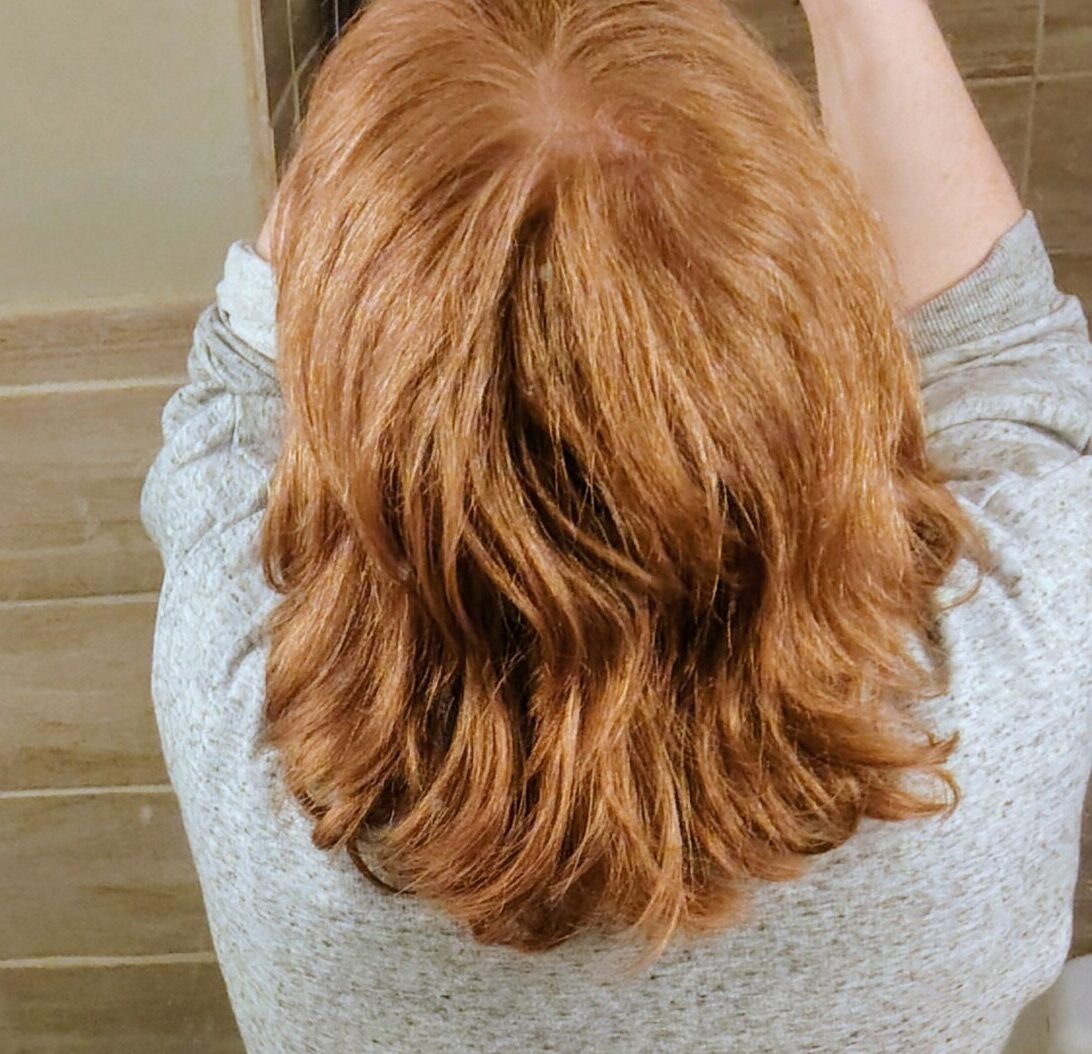
The only thing that solved my frizz problem was reducing how often I washed my hair. Now, my hair is considerably more manageable, even without conditioner, because my scalp is healthy and not over-dried or irritated. And my hair is also incredibly soft—something I used to spend a lot of money trying to achieve with no results, but now it happens effortlessly.
That one shampoo bar I mentioned? I originally bought it in October 2023 for an overseas trip to cut down on liquids in my luggage. It lasted me well past the start of 2025—no joke. Right now, I use Viori’s Rice Water Protein Shampoo Bar, which is currently on sale on Amazon for less than $12. But if you’re like me and hate Amazon (and the egotistical toddler who owns it), you can buy it directly from Viori’s website here. You can also probably find a similar—or even the exact same—product on Etsy or from your local hairdresser, which is where I got mine.
Besides supporting small businesses, the best thing about shampoo bars is that they contain fewer toxic chemicals that pollute the environment—and they come with zero plastic waste. And just to be clear: no one is paying me to promote these products.
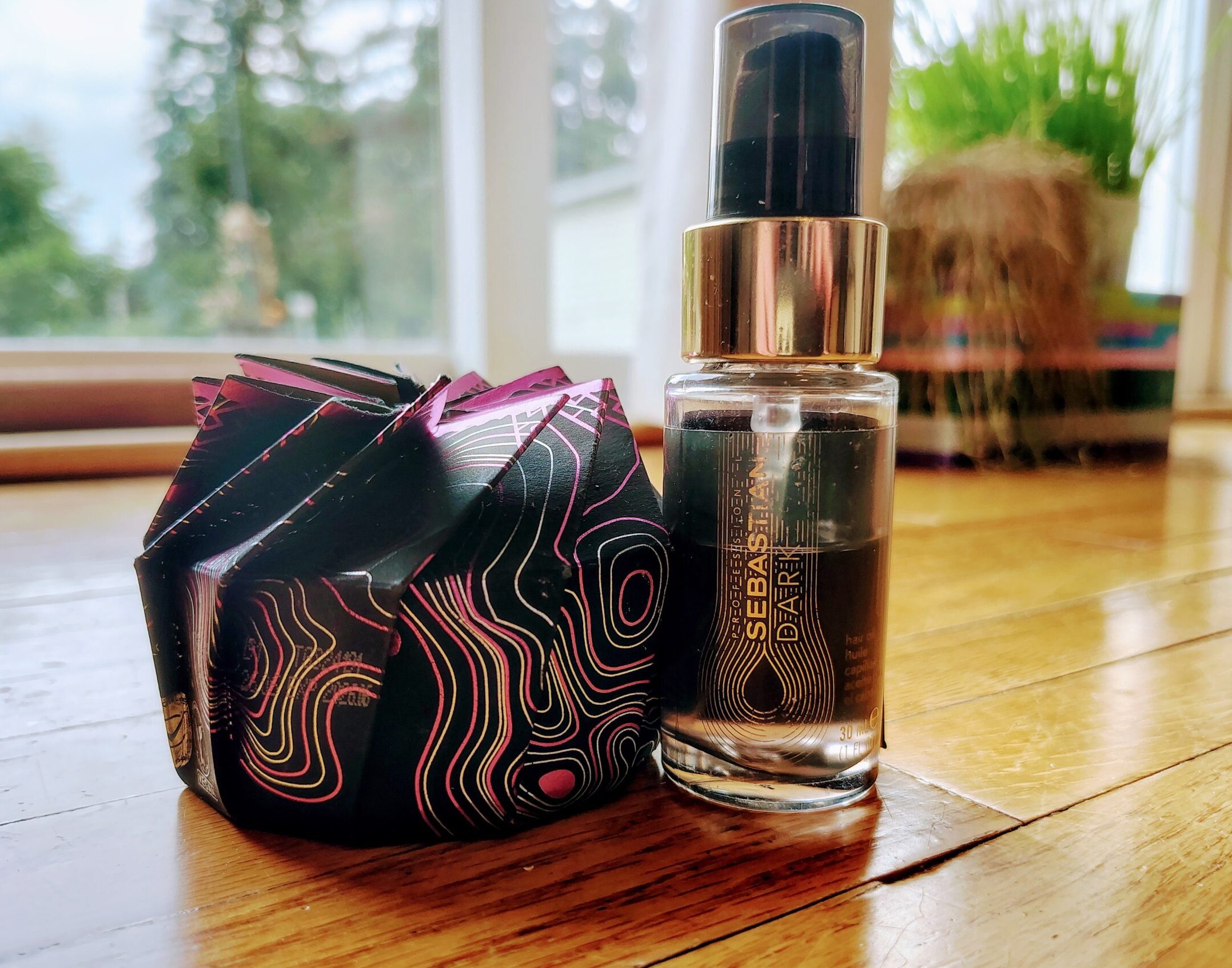
As for styling products? I rarely use them, and if I do buy styling products, it’s only in travel size. I prefer to spend as little time as possible on my hair. I literally just let my hair air dry and keep any styling simple. I also use a boar bristle brush to help spread the natural oils evenly across my hair to make it soft and silky. The only other product I use is hair oil, and only in winter when dry air makes my scalp flaky. The bottle I currently use was quite expensive, it cost me about $30—but that was four years ago.
Tips for Transitioning to Low-Cost Haircare
To save the maximum amount of money and for a seamless transition, here are some tips to keep in mind.
- Ease into it. If you’ve been washing daily or even every other day, your dry, damaged scalp is used to overproducing oil. Transition gradually. Start washing every other day, then every three days, and so on. This helps prevent greasy hair while your scalp gradually produces less oil as it recovers.
- Store your shampoo bar properly. Don’t leave it in the shower unless it’s in a waterproof container. Moisture will break it down faster and shorten its lifespan. Store it in a dry area between uses to make it last much longer.
- Massage your scalp. This is a tip I learned from a beauty influencer, but it’s also common in pricier salons. Gentle massage boosts circulation, which promotes healthier hair growth. Just be careful not to use your nails, since scratching can irritate the skin.
- Use a hair bonnet and/or shower cap. In the shower, a cap helps keep your hair dry and protect your style. At night, a bonnet can prevent frizz and preserve your look. Of course, these are both optional. I don’t use a bonnet myself at night, but that’s because I rarely style my hair and don’t need the extra protection.
Disclaimer: A Note on Hair Types
This method may not work for everyone. Different hair textures and ethnicities have different needs. What works for my hair type may not work for yours. Always listen to your body and adjust accordingly. Trial and error is your friend.
Final Thoughts
You don’t need to spend hundreds of dollars a year on shampoo, conditioner, and styling products. With a little experimentation and a shift in routine, you can save real money while improving the health of your hair and making ethical choices.
I’m living proof: less than $20 a year, healthier hair, and way more time and money back in my life.
RELATED POSTS
View all


Little Caesars Stuffed Pretzel Crust Is a Total Letdown
July 4, 2025 | by Renegade

Is Walmart’s Grinch Commercial Out of Touch—or Intentionally Disrespecting Dr. Seuss?
December 20, 2025 | by Renegade

Two WWII Lessons Trump Will Learn the Hard Way
June 19, 2025 | by Renegade